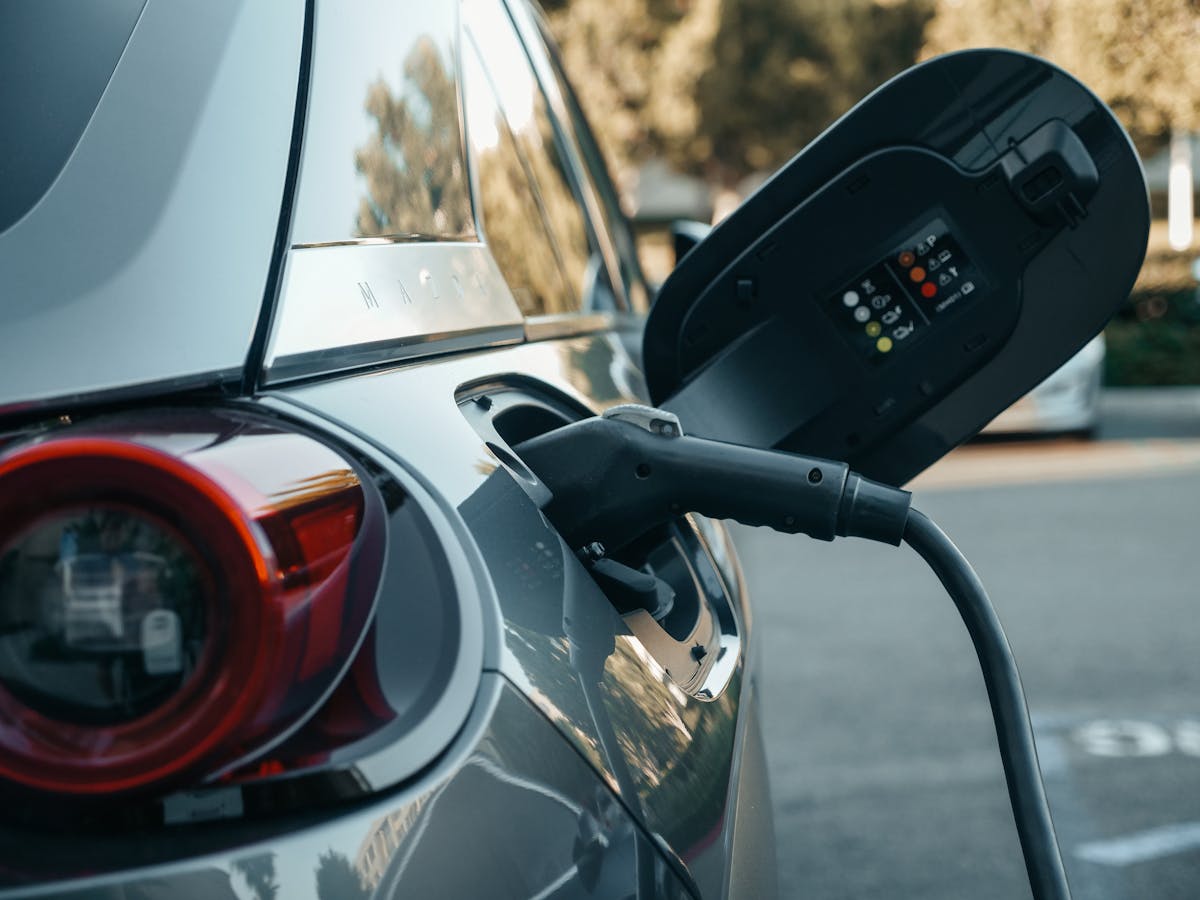
Your electric vehicle is ready — but is your home? As EV adoption surges across Laval and the North Shore, homeowners are rushing to install Level 2 chargers to save time and reduce fuel costs. But without understanding Quebec’s $7,000 rebate, local permit rules, and proper installation standards, you risk delays, fines, or losing your rebate entirely.
This guide gives you the complete, up-to-date 2025 roadmap — no marketing fluff, no third-party recommendations — just clear, code-compliant steps to install your EV charger safely, legally, and profitably.
Table of Contents
- Why Install an EV Charger Now? The 2025 Advantage
- Level 2 vs. DC Fast Chargers — What’s Right for Your Home?
- Step-by-Step: How to Claim the $7,000 Quebec EV Charger Rebate (2025)
- EV Charger Installation Cost Breakdown — Laval & North Shore (2025)
- Permit Requirements in Laval, Mirabel & North Shore Municipalities
- 5 Critical Mistakes That Can Void Your Rebate or Cause Safety Risks
- Frequently Asked Questions
- When to Schedule Your Installation
Why Install an EV Charger Now? The 2025 Advantage
Electric vehicle ownership is accelerating across Quebec, with over 42% of new car sales in 2024 being fully electric. In Laval and the North Shore, this trend is especially strong — and the provincial government is responding with financial incentives designed to make home charging not just convenient, but profitable.
The $7,000 ÉcoÉlectrique rebate is available through 2025, but only if you follow the official process. This isn’t a discount — it’s a direct payment from the government to offset your installation cost. Combined with the federal iZEV incentive of up to $1,000, you could effectively get paid to install your charger.
Beyond the rebate, installing a Level 2 charger future-proofs your home. Quebec’s building code will require all new residential constructions to be EV-ready starting in 2026. Installing now means you’re ahead of the curve — and your home’s value increases as EV infrastructure becomes standard.
Level 2 vs. DC Fast Chargers — What’s Right for Your Home?
Not all EV chargers are created equal. While public charging stations often use DC fast chargers (50 kW or higher), these are designed for commercial use — not your garage.
Level 2 Charger (7–11 kW)
- Ideal for homes: Adds 30–50 km of range per hour of charging — enough to fully charge most EVs overnight.
- Voltage: 240V circuit, same as a dryer or oven.
- Installation complexity: Standard for residential use. Requires a dedicated circuit from your main panel.
- Rebate eligibility: Fully eligible for Quebec’s $7,000 incentive.
DC Fast Charger (50+ kW)
- Not for homes: Requires three-phase power, heavy-duty wiring, and commercial-grade infrastructure.
- Cost: $8,000–$15,000+ installed.
- Rebate eligibility: Not eligible under the ÉcoÉlectrique program for single-family residences.
- Use case: Only appropriate for multi-unit dwellings, businesses, or public charging stations.
Bottom line: For 99% of Laval and North Shore homeowners, a Level 2 charger is the only sensible choice. Installing a DC fast charger is unnecessary, overpriced, and disqualifies you from the rebate.
Step-by-Step: How to Claim the $7,000 Quebec EV Charger Rebate (2025)
The rebate is simple — if you follow the rules. Here’s the exact process as defined by Hydro-Québec and the Régie du bâtiment du Québec:
Step 1: Purchase an Eligible Charger
Only chargers listed on Hydro-Québec’s official approved equipment list qualify. Common approved brands include:
- ChargePoint
- JuiceBox
- Enel X
- Wallbox
Avoid generic or unbranded chargers — even if they look similar, they’re not eligible.
Step 2: Hire a Licensed Electrician
Only electricians holding a valid Régie du bâtiment du Québec (RBQ) license can apply for the rebate on your behalf. You cannot apply yourself.
Step 3: Obtain a Municipal Electrical Permit
Before any work begins, your electrician must submit a permit application to your municipality. Permits are mandatory in all Laval, Mirabel, Rosemère, Saint-Jérôme, and North Shore municipalities.
Step 4: Install the Charger
The electrician installs the charger and runs a dedicated 240V circuit from your main panel. All work must comply with the Quebec Electrical Code (C22.1) and Hydro-Québec’s technical standards.
Step 5: Submit Documentation
After installation, your electrician submits:
- Proof of purchase (invoice for approved charger)
- Copy of the permit and inspection report
- Final invoice for labor and materials
Step 6: Receive the Rebate
Hydro-Québec processes the claim and issues the $7,000 rebate directly to your electrician, who then applies it as a credit to your invoice. You pay only the net amount — often $0 after rebate.
Critical note: If your electrician asks you to submit paperwork or claims the rebate yourself — walk away. This violates program rules and voids eligibility.
EV Charger Installation Cost Breakdown — Laval & North Shore (2025)
Here’s what you can expect to pay for a compliant, rebate-eligible installation:
| Component | Typical Cost Range | Notes |
|---|---|---|
| Level 2 Charger Unit | $600 – $1,200 | Must be on Hydro-Québec’s approved list. Avoid unbranded models. |
| Labor (Standard Install) | $800 – $1,500 | Depends on distance from main panel, wall type, and wiring route. |
| Electrical Panel Upgrade | $1,800 – $3,500 | Required if your home has a 100A or older panel. Most pre-2000 homes need this. |
| Municipal Permit Fee | $150 – $300 | Mandatory in Laval, Mirabel, Rosemère, Saint-Jérôme, and surrounding areas. |
| Total Before Rebate | $2,500 – $4,500 | |
| After $7,000 Rebate | $0 to -$2,500 | You may receive money back if your total cost is under $7,000. |
Important: The rebate covers up to $7,000 of eligible costs. If your total installation is $4,000, you still receive $4,000 back — not $7,000. The rebate is not a cash bonus; it’s a reimbursement up to the cap.
Permit Requirements in Laval, Mirabel & North Shore Municipalities
Permitting is not optional — it’s the legal gateway to your rebate. Each municipality has specific rules:
- Laval: Mandatory permit for all EV charger installations. No exceptions. Inspections are conducted by the city’s electrical division.
- Mirabel: Requires zoning confirmation if the charger is mounted on a detached garage or near a property line. Applications must include a site plan.
- Rosemère, Saint-Jérôme, Boisbriand, Terrebonne: All enforce C22.1 and require that the installer be a licensed electrician who has submitted a permit and passed inspection.
- General rule: Permits take 5–10 business days to process. Plan your installation 2–3 weeks ahead of your desired completion date.
Common mistake: Installing without a permit. This voids your rebate eligibility and exposes you to fines of up to $500. In some cases, the unit must be removed at your expense.
5 Critical Mistakes That Can Void Your Rebate or Cause Safety Risks
Avoid these errors — they’re the most common reasons homeowners lose their rebate or create dangerous conditions.
1. Using an Unlicensed Electrician
Only RBQ-licensed electricians can legally apply for the rebate. Installations done by unlicensed workers are automatically disqualified — even if everything else is perfect.
2. Installing a Non-Approved Charger
Even if a charger looks like a Level 2 unit, if it’s not on Hydro-Québec’s official list, your rebate will be denied. Always verify the model before purchase.
3. Skipping the Permit
Permits are not bureaucratic red tape — they ensure your installation meets safety codes. Installing without one is illegal, voids insurance coverage, and disqualifies you from the rebate.
4. Overloading Your Electrical Panel
Installing a 48A charger on a 100A panel without upgrading creates a fire hazard. Load calculations are required — your electrician must confirm your panel can handle the new demand.
5. Choosing a Charger Without Smart Features
Some rebate programs require chargers with load management or remote monitoring capability. Always confirm your charger model supports these features before buying.
Frequently Asked Questions
Can I install an EV charger myself to save money?
No. Quebec law requires that all permanent EV charger installations be performed by a licensed electrician. DIY installations are illegal, void your home insurance, and disqualify you from the rebate. You cannot apply for the rebate without a licensed contractor’s documentation.
Will my electricity bill increase significantly?
Charging overnight on Hydro-Québec’s off-peak rate (typically 10 PM – 7 AM) adds approximately $15–$25 per month for an average EV driver. This is far less than the cost of gasoline for the same distance.
What if my garage doesn’t have a dedicated circuit?
Most homes need a new 240V circuit run from the main panel to the charger location. This is standard practice and included in every professional quote. The distance from your panel determines labor cost — not complexity.
Does the charger need to be mounted on a wall or can it be freestanding?
Wall-mounted installation is required under Quebec Electrical Code (C22.1). Freestanding units are not permitted for residential use due to safety and weather exposure risks.
How long does the rebate take to process?
After your electrician submits all documentation, Hydro-Québec typically processes and issues the rebate within 4 to 8 weeks. Payment is sent directly to your contractor.
Do I need a special outlet?
No. EV chargers are hardwired directly into your home’s electrical system — not plugged into a standard outlet. A dedicated 240V circuit with a disconnect switch is required.
When to Schedule Your Installation
Don’t wait for your current panel to fail or your EV to arrive without a charger. The $7,000 rebate is allocated per applicant — not per year — and funds are limited. Once the 2025 cap is reached, the program closes.
If your home is more than 20 years old, you’re likely running a 100A panel — insufficient for modern EV charging. Schedule a free, no-obligation site assessment now. We’ll evaluate your panel capacity, confirm your rebate eligibility, and provide a detailed, transparent quote — with no hidden fees.
Safety is our priority. All installations follow Quebec Electrical Code (C22.1) and Hydro-Québec guidelines. We use only CSA-certified components and stand behind every job with a full workmanship warranty.
Need Professional Electrical Services?
Our certified master electrician is ready to help with all your electrical needs in Laval and surrounding areas.